In the plastics injection molding industry, where process continuity, precision, and high quality standards are essential, worker safety through industrial lifelines becomes a strategic factor that directly impacts the sustainability and competitiveness of the business.
Roof maintenance , technical inspections, roof cleaning, and the inspection of equipment installed at height present a significant challenge in terms of occupational risk prevention. These activities, while necessary to ensure the proper functioning of the facilities, require strict safety protocols and ongoing training to minimize accidents and protect the well-being of personnel.
Implementing appropriate safety measures not only reduces risks but also strengthens team confidence, improves productivity, and ensures the operational continuity of production plants. In this sense, investing in prevention is investing in the future of the company.
Falls from heights remain one of the main causes of serious accidents in industrial environments, affecting both worker safety and the continuity of operations.
For this reason, at Riduco SA, the implementation of collective and individual protection systems , such as lifelines , has become an essential solution to mitigate occupational risks, ensure compliance with current regulations and optimize the efficiency of industrial plants.
These systems not only protect personnel during tasks at height, but also reinforce the safety culture within the organization, reduce costs associated with incidents, and improve the company's reputation with customers and suppliers.
Lifelines: what they are and why they are essential in industrial safety
Lifelines are fall protection systems designed to allow one or more workers to move safely along a defined path, remaining connected at all times to a certified anchor point.
In the case of industrial roofs , the most commonly used are horizontal lifelines , which can be:
- Flexible, made of steel cable.
- Rigid, using metal rails.
Its design allows it to cover large areas and facilitate access to critical zones without compromising the safety of personnel.
The system is complemented by personal protective equipment such as full-body harnesses, lanyards with energy absorbers, and certified connectors. In the event of a fall, these elements work together to stop the impact, reduce the forces generated, and protect the worker's safety.
Investing in industrial lifelines not only guarantees compliance with current regulations, but also strengthens the safety culture, improves productivity and ensures the operational continuity of the plants.
Lifelines: Optimizing maintenance and increasing productivity
Industrial roofs require regular maintenance to ensure their proper functioning. Without a permanent protective system, these tasks often involve the installation of temporary solutions, such as scaffolding or makeshift structures, which consume time and resources.
Installing permanent lifelines allows these tasks to be carried out more efficiently, as the system remains available for continuous use. This facilitates access to critical areas, reduces execution times, and improves safety during each intervention.
Impact on the plastic injection molding industry
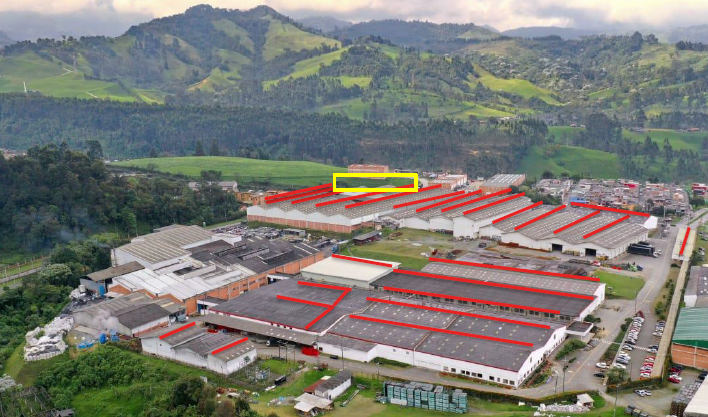
In a plastic injection molding plant like Riduco, where operational efficiency is essential, safety during maintenance work has a direct impact on productivity. Implementing lifelines on roofs allows for safe inspections and repairs without disrupting production processes.
Furthermore, it facilitates compliance with internal and external audits, improves the corporate image, and demonstrates the company's commitment to best practices in the sector.
Integrating security systems into the infrastructure not only protects workers, but also contributes to business sustainability by reducing risks, optimizing resources, and ensuring regulatory compliance.