In Riduco's Audit, Risk Management, and Control practice, we are clear that our work goes far beyond reviewing processes: it's about building trust. Therefore, every day we focus on strengthening organizational processes, ensuring regulatory compliance, and promoting a culture of self-control.

Therefore, every day we focus on strengthening organizational processes, ensuring regulatory compliance, and promoting a culture of self-control.

In this way, we ensure that transparency, efficiency, and reliability are present in every decision made within the company. All with a common goal: to strengthen our internal processes and guarantee the long-term sustainability of the business.

Early risk identification

For us, early identification of risks and problems, as well as the implementation of effective solutions, is also a priority.

This approach allows us to quickly adapt to a constantly changing market, which demands agile, accurate decisions that always comply with all legal requirements.

Ethics and Compliance: Protecting the Company

From a compliance perspective, we know that protecting the company is key to safeguarding its financial and reputational integrity.

Therefore, we firmly embrace the task of anticipating risks and always acting ethically. In a world where threats or bad faith may exist, our stance is firm: we choose transparency, respect for the law, and the principles that define our organizational culture.

A legacy of over 55 years

For over 55 years, Riduco has maintained an unwavering commitment to ethics, transparency, and good corporate practices.

That family legacy is the driving force that inspires us to remain attentive and vigilant, aligned with the highest compliance standards. Thanks to this, we firmly defend the trust and reputation we have built over time, clearly rejecting any practice that could jeopardize them.

Types of audits at Riduco

From our Audit department at Riduco SA, we review and evaluate the company's processes and procedures. Our work allows us to analyze how they are functioning, highlight strengths, identify weaknesses, and propose actions that drive continuous improvement.

To achieve this, we rely on three fundamental approaches:

  • Administrative audit: Review and evaluation of the methods, systems, and procedures implemented in administrative processes. We verify regulatory compliance, plans and programs, as well as adherence to laws and guidelines.
  • Operational audit: Evaluation of the efficiency with which Riduco SA uses its human, material, and financial resources. We seek to promote more efficient operations, reduce costs, and increase return on investment.
  • Financial audit: Review of the transactions recorded in the accounting records and the accuracy of the documentation, ensuring the reliability and integrity of the financial processes.

In other words, we conduct a thorough and in-depth inspection of how processes and procedures are being implemented. The goal is to ensure that everything is working properly, that standards are being met, and that resources are being utilized optimally.
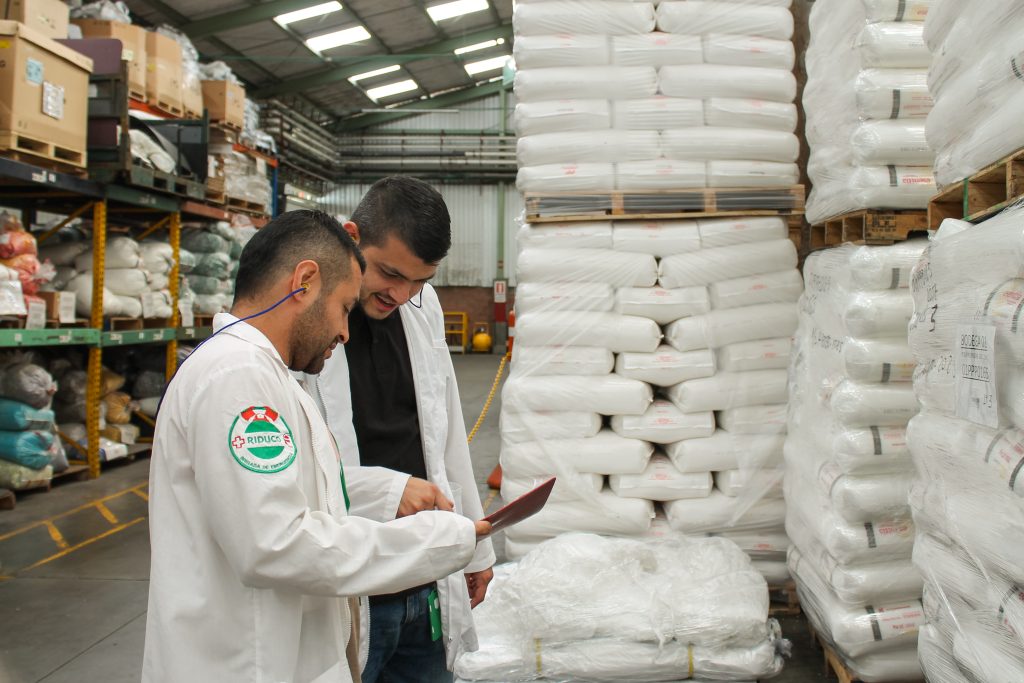
Audit of a plastic injection company in Colombia

True courage: implementing changes

The true value of the audits carried out within Riduco SA lies in what comes next: implementing changes that improve our organization.

Considering all of the above, the Audit area takes on great importance, as it allows for improvements before problems arise.

This area not only provides transparency, but also encourages self-criticism and enables decisions based on data, not intuition. Most importantly, it contributes to making Riduco SA more efficient, sustainable, and reliable.

A key function for growth

The work of this area focuses on the monitoring and control of all other areas. As the company grows, the Audit area becomes increasingly important, as it helps protect against potential mismanagement by management.

Furthermore, it ensures that there is a body responsible for ensuring the accuracy of the company's legal, financial, and administrative activities.

At Riduco, we understand that auditing is not just an exercise in control, but an opportunity to grow with strength, transparency, and trust.

Our mission is to remain a strategic partner of the organization, supporting each process with objectivity and ethics, to ensure that the legacy of more than five decades continues to strengthen over time.

At Riduco, we believe that when we work with integrity, we build the future.
A biopolymer is a long chain of molecules (polymer) that originates from natural or renewable sources such as plants, animals, or microorganisms. Some common examples include cellulose (from plants), starch (extracted from corn or potatoes), proteins such as gelatin or casein, and polylactic acid (PLA). In short, its origin is biological or natural . However, it is important to note that a biopolymer may or may not be biodegradable.

Bioplastic , on the other hand, is a specific subset of biopolymers used in the manufacture of plastic products.

A biodegradable material is one that can decompose naturally in the environment thanks to the action of microorganisms such as bacteria and fungi. Some examples are paper, organic waste, and certain biodegradable plastics. The key point here is that its final destination is ecological , regardless of whether its origin is natural or synthetic. In other words, a biodegradable material does not have to be natural.

Key differences between biopolymer and biodegradable

  • The origin of the biopolymer is natural or renewable, while a biodegradable material can be either natural or synthetic.
  • A biopolymer may or may not be biodegradable, but a biodegradable material does decompose in nature.
  • A common example of a biopolymer is polylactic acid (PLA), while examples of biodegradable materials include compostable bags and paper.

Everyday examples of packaging and products

  • Compostable corn bags (PLA): Yes, they are biopolymers and biodegradable. They are made with polylactic acid, which decomposes under industrial composting conditions.
  • “Oxobiodegradable” oil bags: They are not biopolymers and are only partially biodegradable. They are composed of conventional plastic with additives that break them down, but they do not degrade completely or in an environmentally friendly way.
  • Soy wax cardboard packaging: They are both biopolymers and biodegradable. The cardboard and vegetable wax make the packaging completely compostable.
  • Recycled PET bottles: They are neither biopolymers nor biodegradable. Although they are recyclable, they are made from petroleum-derived plastic.
  • Covered in cornstarch: Yes, they are biopolymers and biodegradable, as long as they are composted properly.
  • Polystyrene foam packaging: They are neither biopolymers nor biodegradable. They are petroleum derivatives and highly polluting.

In summary, not everything biodegradable is natural , and not everything natural biodegrades easily in nature without the right conditions, such as in industrial composting.

Riduco hand in hand with sustainability

Our company has a long history of transforming plastic through the injection molding process, which has positioned us as a leading company nationwide. In line with market trends and thanks to the work of our innovation team, in 2018 we launched the project "Development and Application of Biodegradable Materials in Injection Molded Products."

With that goal in mind, we began researching the development of biodegradable materials worldwide. We wanted to apply these types of polymers to our products and thus propose developments that contribute to sustainability and environmental protection.

We prototyped various biodegradable resins from around the world, evaluating their technical characteristics and handling during processing. We also implemented a composting culture at our plant to analyze the polymers' actual behavior in a decomposition environment. This allowed us to compare actual results with supplier certifications and determine which biopolymers decompose most quickly based on their biomass content.

Bio-based resins , a family of biodegradable resins, have proven to be an alternative whose degradation begins in just a few months when they enter a composting environment. This makes them especially useful for single-use and short-cycle products.

One of our most promising research projects was the development of avoplast , a resin based on biopolymers derived from avocado seeds. The results were very positive for its application in injection-molded products.

One of our most promising research projects was the development of Avoplast, a resin based on biopolymers derived from avocado seeds.

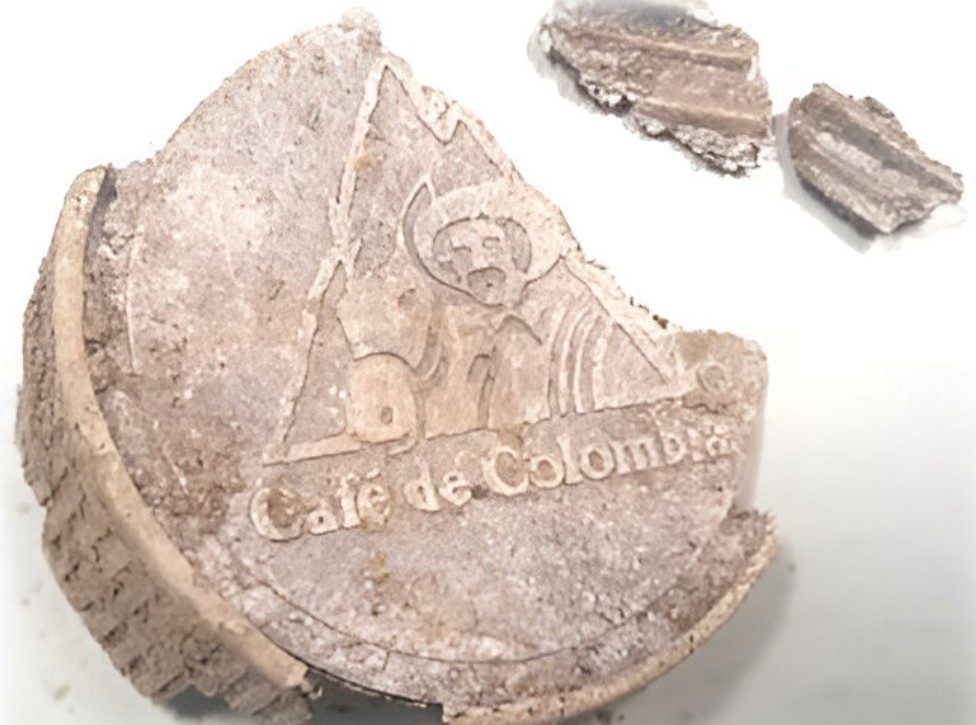
Thanks to the initiative of our Technical Manager, Dr. Irene Rivas , we proposed to our client Buencafé Liofilizado that they conduct pilot tests on the lids of their coffee jars. Today, this proposal has materialized in a prototype presented by the client, the result of the synergy between Riduco and Biofase , the developers of this resin.

With this proposal, we seek to support the environment, reduce our environmental footprint, and offer a sustainable solution for the production of organic products.

Riduco Innovation Team:

  • Dr. Irene Rivas, Technical Manager
  • Special Engineer Migdonia Solís, Director of Engineering
  • Special Engineer Fabian Ospina, Head of Production

Riduco, committed to our customers and the environment.